All
News
Trends
Offers
Why Low Monthly Payments Often Cost You Much More
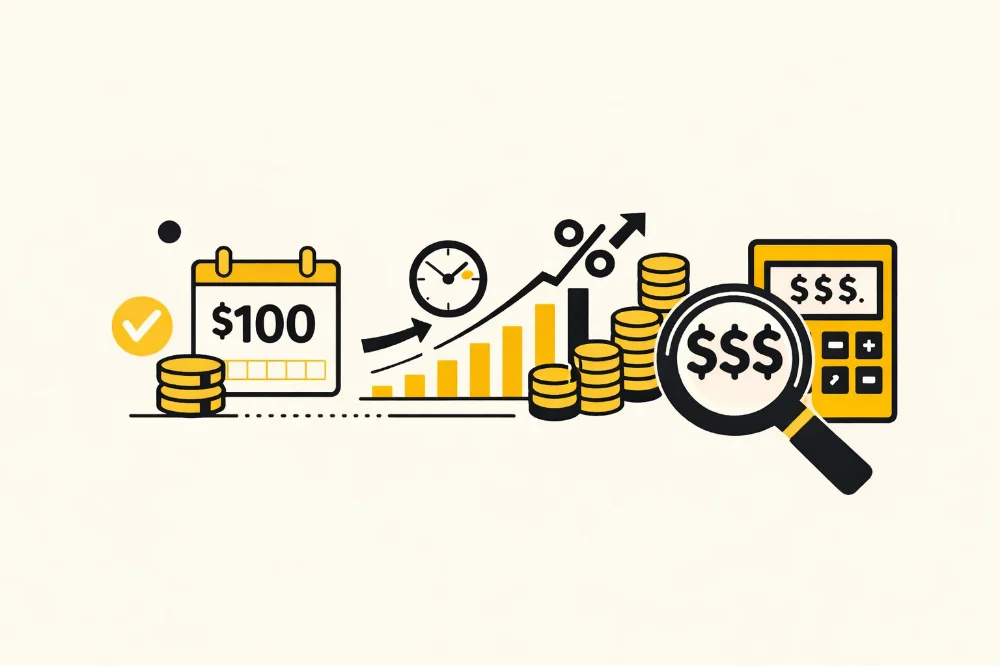
Monthly payments make credit feel affordable. You see one number and check if it fits your budget. If it does, the credit feels safe. Many people decide this way. They rarely look further. This is why monthly payments can hide the real cost of credit. The payment feels small, but the total amount stays invisible. Interest works quietly in the background. Time stretches the cost. What feels manageable today can become expensive later. This article explains how that happens. You will learn why monthly payments influence decisions so strongly. You will understand how APR and loan duration increase the total cost. You will see why longer terms often cost much more, even when payments look comfortable. The goal is not to make credit look bad. Credit can be useful when used wisely. The goal is to help you see beyond the monthly number and make decisions with clarity.
Why Monthly Payments Feel So Safe
Monthly payments feel safe because they match how people think about money. Most expenses are monthly. Rent, utilities, and subscriptions follow the same rhythm. When credit is shown this way, it feels familiar. You compare the payment to your income. If it fits, the decision feels easy. The total loan amount becomes less important.
Lenders understand this behavior. That is why credit is usually presented with a monthly installment first. A credit of €10,000 sounds large. A payment of €195 per month sounds reasonable. The number feels smaller and less risky. Because the cost is split into many parts, the emotional impact is reduced. This makes it easier to accept longer durations.
Longer terms increase this effect. Extending the loan lowers the monthly payment. It creates comfort. But nothing disappears. The cost is only moved into the future. Interest continues to apply every month. In Germany, the APR shows this clearly, but many people focus only on affordability. Monthly payments create calm, while the real cost remains hidden.
How Time Turns Small Payments Into Big Costs
Time is the main reason credit becomes expensive. Every additional month adds interest. Even when payments stay low, the total amount grows. At the beginning of a credit, most of the payment goes to interest. Only a smaller part reduces the balance. This is why progress feels slow at first.
Extending the loan term is a common choice. It reduces monthly pressure and improves short term cash flow. But it almost always increases the total cost. A credit with an APR of 6% over three years costs much less than the same credit over six years. The monthly difference feels small. The total difference is often much larger
This effect is even stronger with installment purchases and revolving credit. Small monthly amounts keep balances active for years. Payments feel harmless. Interest keeps growing. In Germany, APR transparency helps comparison, but only if people look beyond the monthly number. Time is easy to ignore, but it is the most expensive part of credit.
The Trap of Comfort and Habit
Small payments reduce urgency. When the payment feels easy, there is no pressure to finish the credit faster. The debt becomes part of everyday life. As long as payments are made, everything feels fine. This mindset increases total interest without being noticed.
Comfort also leads to stacking credit. One payment feels manageable. Two still feel okay. Over time, flexibility disappears. If income changes or expenses rise, pressure appears. New credit is often used to restore comfort. This adds more cost and extends repayment even further.
Monthly payments also hide opportunity cost. Money spent on interest cannot be saved or invested. It does not build security. It disappears quietly over time. Because it leaves in small amounts, it feels harmless. But over years, it becomes significant. Understanding this helps you see credit more clearly.
How to Look Beyond the Monthly Payment
The first step is changing how you evaluate credit. Do not start with the monthly payment. Start with the total amount you will repay. Compare different durations. Shorter terms usually save money, even if the payment feels higher. Seeing the full cost changes decisions.
The second step is active credit management. Review your credits regularly. Extra payments reduce interest quickly. Even small additional amounts shorten the duration and lower total cost. This restores flexibility and control.
Monthly payments hide the real cost by focusing on comfort. When you look beyond them, credit becomes clearer. Understanding APR, time, and total repayment helps you borrow with intention. Credit should support your life, not quietly cost more than you expect.
Author: Moini
11/01/2026, 3 min read